



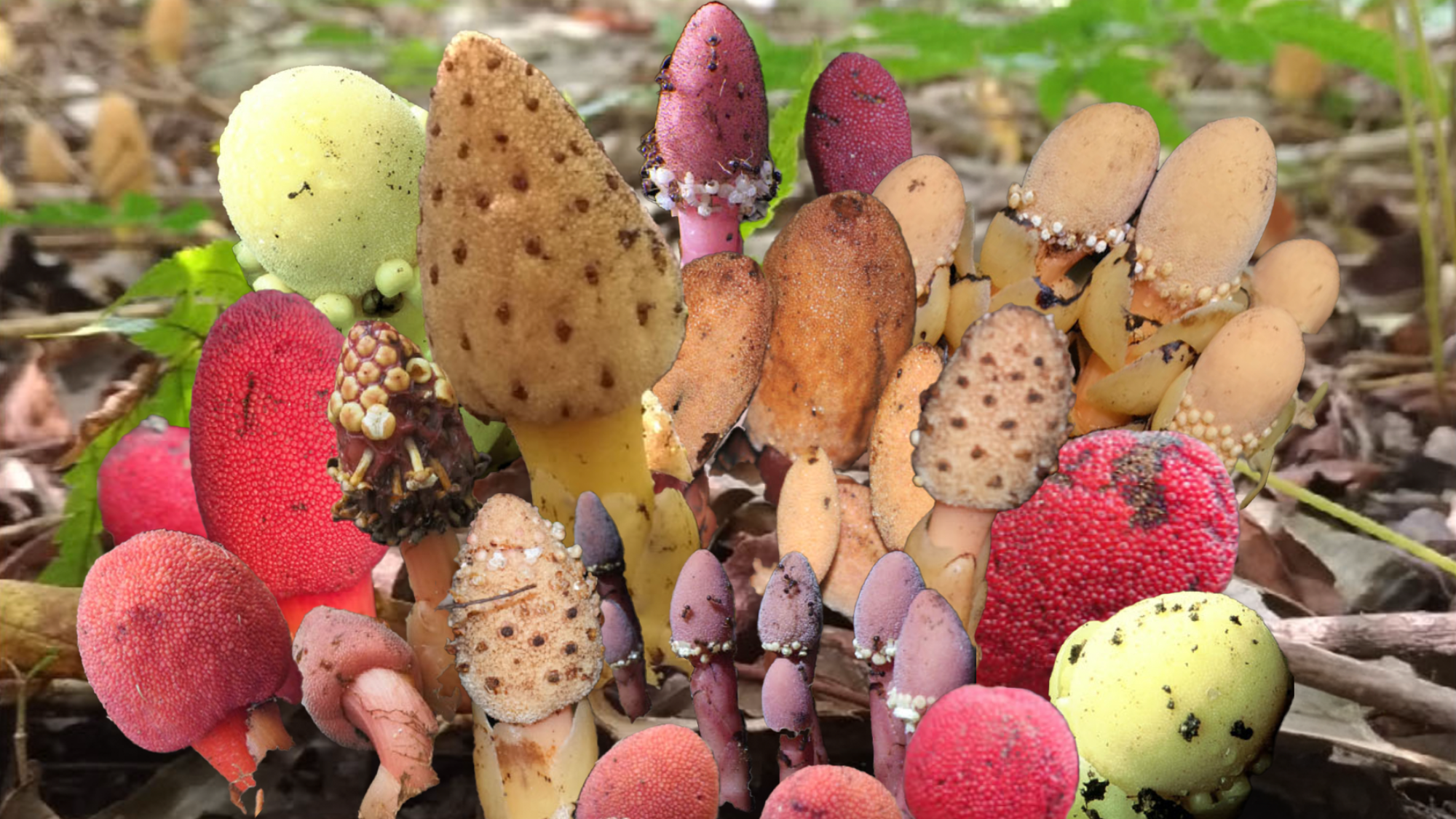
TLDR: Research on asexual parasitic plants reveals their unique adaptations for survival and reproduction without sexual methods, allowing them to thrive in nutrient-poor environments. Their cloning strategy ensures genetic stability, offering insights into ecological roles and potential applications in biotechnology and agriculture.
A fascinating exploration into the world of asexual reproduction has unveiled the unique adaptations of certain parasitic plants that thrive without the need for sexual reproduction. These plants demonstrate a remarkable ability to survive and reproduce in environments where many others would struggle. By bypassing the traditional reproductive methods, they rely on a different strategy that allows them to exploit their host plants more efficiently.
Among these unique plants are those that can extract nutrients directly from their hosts, ensuring their survival even in nutrient-poor conditions. This parasitic lifestyle enables them to flourish while minimizing competition with other plant species. The study of these plants sheds light on their evolutionary advantages and the ecological roles they play within their environments.
One of the most intriguing aspects of these asexual parasitic plants is their genetic makeup. Unlike typical plants that rely on genetic diversity for adaptation, these organisms often utilize a form of cloning. This not only allows them to maintain their advantageous traits but also leads to fascinating discoveries about genetic stability and adaptability in changing environments.
Furthermore, the implications of these findings extend beyond the plants themselves. Understanding how these organisms interact with their hosts and their surrounding ecosystems can inform conservation efforts and agricultural practices. As scientists delve deeper into this area of research, they uncover potential applications in biotechnology and the development of crops that could withstand harsher conditions.
In summary, the study of asexual parasitic plants presents a captivating glimpse into the complexities of plant life and evolution. Their ability to thrive without sexual reproduction challenges traditional notions of survival and adaptation, highlighting the incredible diversity of life on our planet. Continued research in this field is essential to unlock further secrets of these remarkable organisms and their roles in our ecosystems.
Please consider supporting this site, it would mean a lot to us!
